

 Poland
 Paid Advertising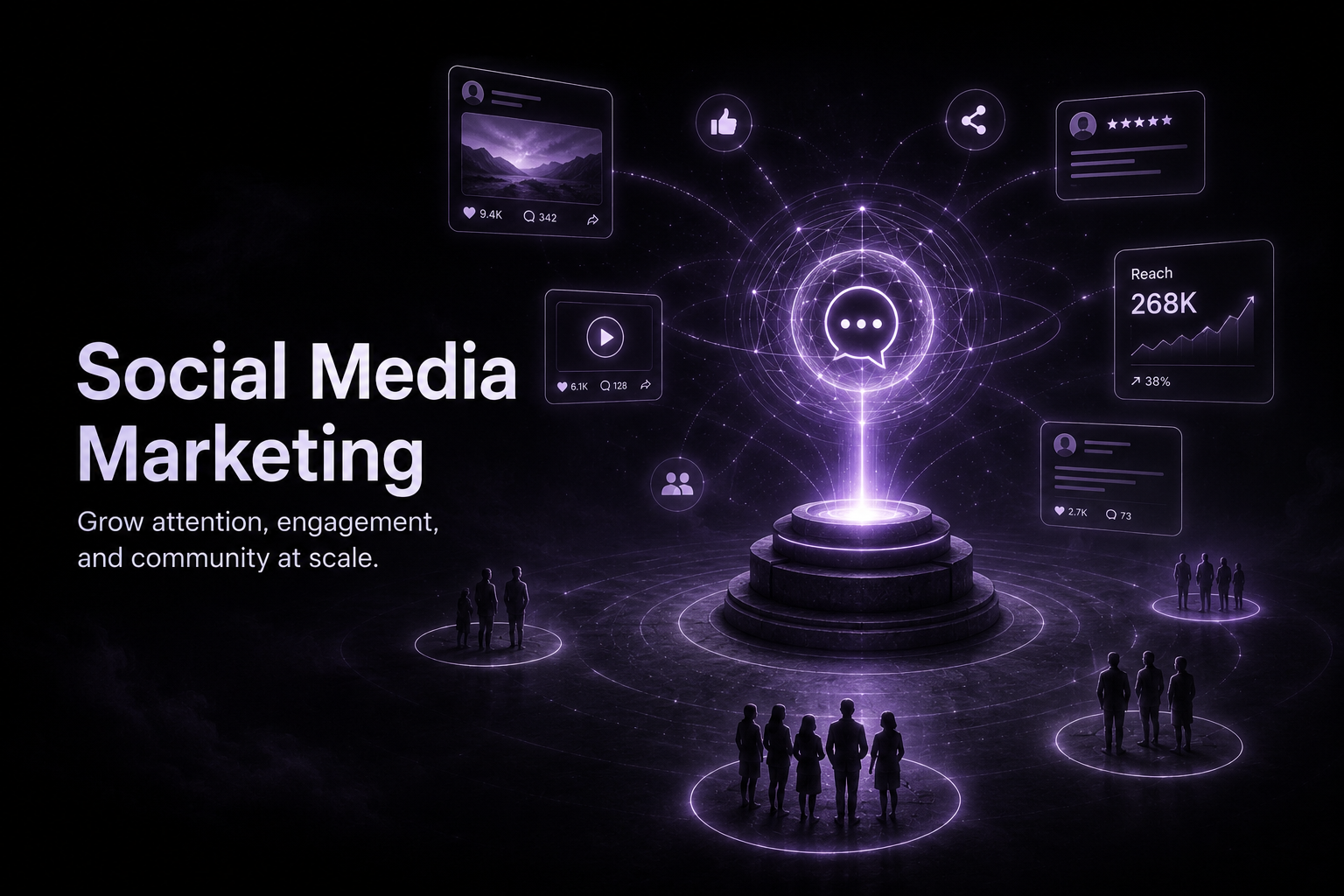
Social media marketing covers paid campaigns, audience targeting, and platform strategy across Instagram, Facebook, LinkedIn, and TikTok to grow reach and drive engagement.
Placing an ad on Facebook or Instagram is the cheap part. What separates a campaign that pays for itself from one that doesn't is what happens after someone stops scrolling - whether the content actually earns a reply, a save, or a click through.
A 2% conversion rate on your landing page sounds fine until you break it down: 98 out of every 100 people who clicked through decided not to act. That gap between reach and response is where most social budgets quietly leak away.
At Pixelique, we build campaigns to close that gap. Content is designed to prompt an actual reaction, not just log an impression, and we track engagement all the way to the outcome that matters for your business.
Strategic Advantages of Social Media Marketing
Strategy and data decide which posts get budget behind them - brand presence and audience growth follow from campaigns built that way, not from posting on instinct.
Instagram, Facebook, LinkedIn, and TikTok each reward a different type of content, so nothing gets recycled across platforms without adapting the format, pacing, and hook to fit.
Creative design gets paired with performance tracking from the first post, so we know within weeks, not months, what's actually moving the needle on ROI.
- Strategic Audience Targeting
- Enhanced Brand Awareness & Trust
- Optimized Ad Performance
- Consistent Brand Identity Across Platforms
- Data-Driven Insights & Reporting

Our Approach to Social Media Marketing
Three steps, each one feeding the next: understand the audience first, build a platform-specific plan second, and keep refining once the campaign is live - not just at the end of the month.
step 01
Discovery & Strategy
We open with a working session on your brand, audience, and objectives, not a generic questionnaire.
Competitor analysis follows, and the framework we build from it is shaped around your goals specifically.
step 02
Content Creation & Implementation
Visuals and copy get produced to match your brand voice, then adapted per platform rather than reused as-is.
Once campaigns launch, we handle posting cadence and community replies so nothing goes unanswered.
step 03
Optimization & Reporting
Performance data gets reviewed continuously, not saved up for a monthly summary.
Strategy and ad spend shift based on what that data shows, and reports lay out progress against ROI in plain terms.
Ready to grow your social media presence? Get a free audit - we'll analyze your current accounts and map a strategy for measurable results.
Get My Free AuditFAQs about Social Media Marketing
Social media marketing is a form of digital marketing that utilizes social media platforms to connect with your audience to build your brand, increase sales, and drive website traffic. It involves creating and sharing content on social media networks such as Facebook, Twitter, Instagram, LinkedIn, and others to achieve marketing and branding goals.
Social media marketing strategies can include various tactics like posting engaging content, running ads, interacting with followers, conducting social media contests or giveaways, influencer marketing, and analyzing metrics to track performance and adjust strategies accordingly. The ultimate aim is to engage with your target audience, build brand awareness, foster customer loyalty, and ultimately drive conversions and business growth through social media channels.
Social media marketing services refer to professional services provided by agencies or consultants to help businesses create, implement, and manage their social media marketing strategies effectively. These services can vary depending on the needs and goals of the business but typically include:
- Social Media Strategy Development: Developing a comprehensive strategy tailored to the business's objectives, target audience, and industry.
- Content Creation: Creating engaging and relevant content such as posts, images, videos, and stories optimized for each social media platform.
- Community Management: Monitoring and responding to audience interactions, comments, messages, and reviews across social media channels to foster engagement and build relationships.
- Paid Advertising: Running targeted social media advertising campaigns to reach specific demographics, increase brand visibility, and drive traffic or conversions.
- Influencer Marketing: Identifying and collaborating with influencers or industry leaders to promote products or services to their followers.
- Analytics and Reporting: Tracking key performance indicators (KPIs) such as reach, engagement, clicks, conversions, and ROI, and providing regular reports to assess the effectiveness of the social media marketing efforts.
- Social Media Optimization: Optimizing social media profiles for maximum visibility and effectiveness, including profile setup, bio optimization, and regular updates.
These services aim to help businesses leverage the power of social media to achieve their marketing objectives, improve brand awareness, and drive business growth.
Social media marketing works by leveraging social media platforms to connect with your target audience, engage with them, build relationships, and ultimately achieve your marketing goals. Here's a breakdown of how it typically works:
- Setting Goals: Define clear and measurable objectives for your social media marketing efforts.
- Understanding Your Audience: Conduct research to understand your target audience's demographics, interests, and online behavior.
- Choosing the Right Platforms: Select the social media platforms where your audience is most active and where your business can best reach its goals.
- Creating Engaging Content: Develop valuable and relevant content in various formats such as posts, images, videos, and infographics.
- Building a Content Calendar: Plan and schedule your content to maintain a consistent posting schedule across platforms.
- Engaging with Your Audience: Actively interact with your audience by responding to comments, messages, and mentions, and initiating conversations.
- Analyzing and Optimizing: Monitor key metrics like reach, engagement, clicks, and conversions to refine your strategy over time.
By following these steps and continually refining your approach based on insights and feedback, you can effectively harness the power of social media marketing to achieve your business objectives.
You should consider using social media marketing when:
- You Want to Increase Brand Awareness: Social media platforms offer a vast audience reach, making them ideal for increasing brand visibility and recognition.
- You Seek to Engage with Your Audience: Social media allows for direct interaction with your audience, fostering engagement, building relationships, and gaining valuable feedback.
- You Have Content to Share: If you have valuable content to share, such as blog posts, videos, or product updates, social media can help amplify its reach and impact.
- You Want to Drive Website Traffic: Social media can be an effective channel for driving traffic to your website or landing pages, where users can learn more about your products or services.
- You Aim to Generate Leads or Sales: Social media advertising and targeted campaigns can help drive leads and sales by reaching specific audience segments interested in your offerings.
- You Need to Provide Customer Support: Many customers turn to social media for customer support inquiries. Having a presence on social media allows you to address customer concerns promptly and publicly.
- You Want to Stay Competitive: Your competitors are already active on Instagram, Facebook, LinkedIn, and TikTok - and the brands that show up consistently are the ones audiences keep top of mind. A well-run presence on the platforms your customers actually use keeps you visible in those feeds instead of ceding that space to rivals.
Overall, social media marketing can be beneficial for businesses of all sizes and industries, but it's essential to align your social media efforts with your overall marketing goals and target audience to maximize its effectiveness.