

 United Arab Emirates
 Paid Advertising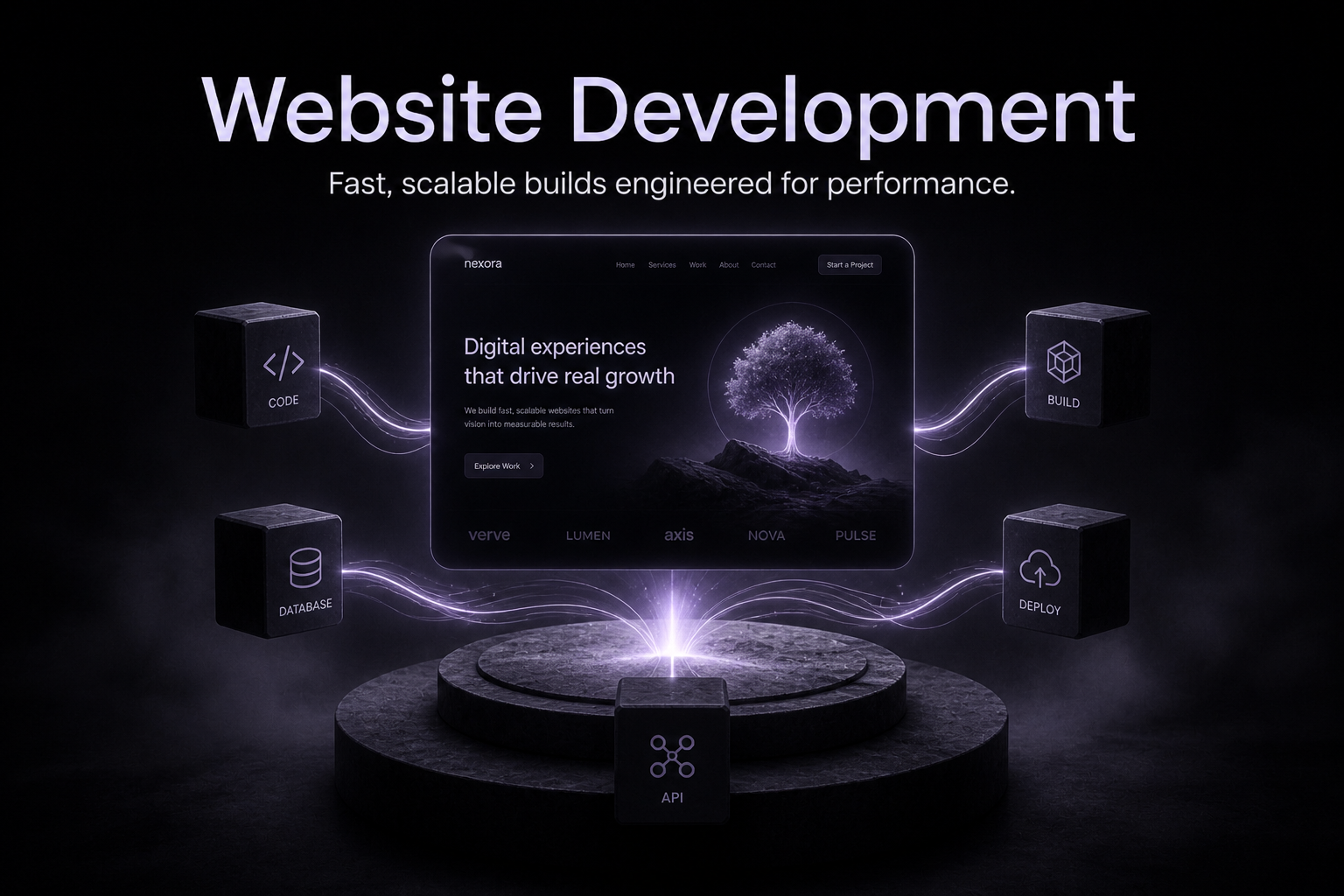
Website development is the code-level build behind a design, on WordPress, Shopify, or a custom stack, tuned for speed and security.
Design gets someone's attention, but a slow or buggy backend loses them fast. Pixelique builds sites where the engineering underneath holds up as well as the interface people see.
The platform choice - WordPress, a custom CMS, e-commerce, or a lightweight landing page - depends on what you actually need, not a default we push on every client.
Speed, SEO fundamentals, and security aren't bolted on after launch - they're baked into the build from the first commit.
What Makes Our Website Development Different
A site that looks right and loads slowly still loses visitors. Performance work gets the same attention as the visual polish.
You get visibility into a staging environment as the build progresses, not just a finished product dropped in your lap at launch.
- Custom CMS & WordPress Development
- E-Commerce Development (WooCommerce, Shopify)
- Performance & Core Web Vitals Optimization
- SEO-Ready Code Structure
- SSL, Security & Hosting Setup
- Post-Launch Support & Maintenance

Our Process for Website Development
Every build moves through setup, testing, and launch in that order, with quality checks at each stage rather than saved for the end.
step 01
Setup & Development
Environment and architecture get set up before a single approved design gets built. Clean code and SEO fundamentals aren't a later pass - they're part of how the first line gets written.
step 02
Testing & Quality Assurance
Every page gets run through multiple browsers and screen sizes before it ever goes live. Forms, load speed, and every interactive element get checked, not just spot-tested.
step 03
Launch & Handover
Deployment, DNS, SSL, and analytics get configured and verified after going live. You leave with full credentials, a walkthrough of how to manage the site, and documentation for whatever comes next.
Not sure which platform fits your project? Book a free consultation and we'll walk through the right technical approach for your needs.
Get My Free AuditFAQs about Website Development
The platform gets picked to fit the project, not the other way around:
- WordPress: Solid for content-heavy sites and blogs where the team needs to update things themselves
- WooCommerce: WordPress-based e-commerce that scales with your catalog
- Shopify: A strong fit for product-first online stores
- Custom HTML/CSS/JS: Lean builds without CMS overhead when speed matters most
- Webflow: Visual editing backed by clean, exportable code
Budget, how technical your team is, and where you want the site to be in a year all factor into the recommendation.
Timelines scale with what's being built:
- Landing pages: 1–2 weeks
- Business sites (5–10 pages): 3–6 weeks
- E-commerce stores: 6–12 weeks
- Custom web applications: 8+ weeks
You'll get a concrete timeline with milestones at the consultation stage, before any work begins.
Speed and SEO fundamentals are treated as requirements, not nice-to-haves. Every build includes:
- Page speed tuning aimed at 90+ on Google PageSpeed Insights
- Core Web Vitals compliance (LCP, FID, CLS), which feed directly into ranking
- Semantic HTML that search engines can actually parse cleanly
- Modern image formats like WebP to cut load times
- Structured data markup where it applies
- Mobile-first code from the start, not retrofitted
We do, through maintenance packages covering:
- Security updates for plugins and themes
- Backups and uptime monitoring
- Bug fixes as they come up
- Content updates and small design tweaks
- Ongoing performance monitoring
A site left unmaintained tends to slow down and become a security risk over time - we recommend a plan for every site we build. Happy to talk through what fits your situation.